1/22/2025: Soaring past goal temperatures could seriously impact water resources

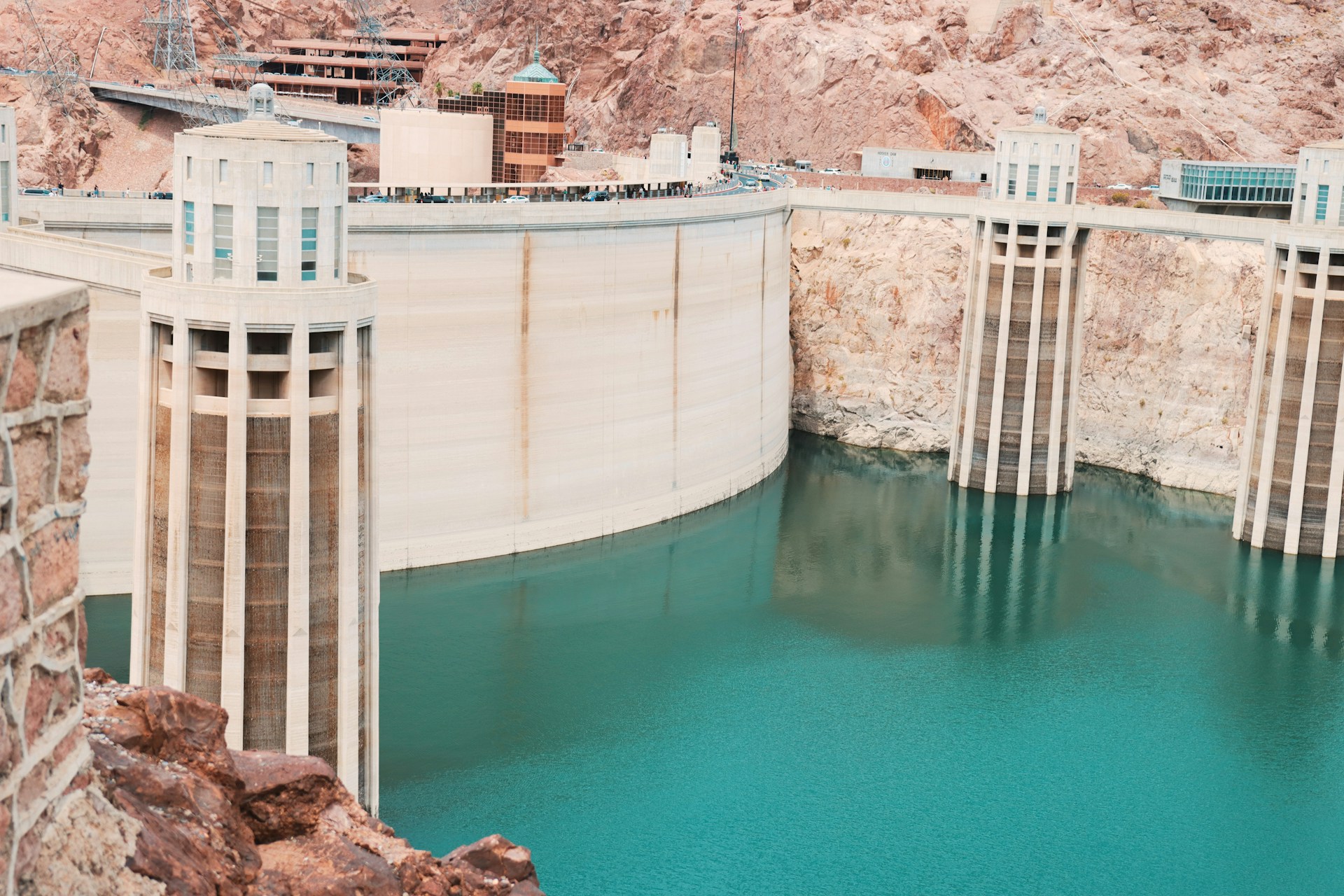
Hoover Dam. Credit: Tyler Rutherford/unsplash

AGU News

AGU’s 2025 Journalism Awards are open!
Nominate a news or feature story about the Earth and space sciences, published in 2024, for our science journalism awards. The deadline is 31 March 2025 at 11:59 p.m. Email us at [email protected] with questions about submissions and eligibility. [media advisory][information for News and Features awards][SUBMIT HERE]

AGU announces search firm for new executive director/chief executive officer
AGU has partnered with the executive search company Vetted Solutions to lead the Executive Director/CEO search, open to applications now. [press release]

Featured Research

Exceeding temperature goals will impact water resources
Warming temperatures threaten to destabilize the planet’s water cycles, but temperature overshoot — warming beyond goal temperatures and then cooling back down — poses unique risks to water resources, a new study reports. Overshoot could particularly impact glacial melt and groundwater, and policymakers will need to consider this, the authors say. [Water Resources Research study]

Forested parks are effective urban cool spots
Urban parks with high tree densities can cool the surface up to 4 degrees Celsius, according to a new study of temperatures in 2,000 urban parks around the world. Trees are more effective at cooling than other kinds of vegetation, and they make parks more drought-resilient, too. [Geophysical Research Letters study]

Dataset: Water, carbon footprints of US electricity generation
A new study offers a dataset of hourly electricity use mix, water use, and carbon footprint for U.S. electricity users. [Water Resources Research study]

How could solar climate intervention strategies affect agriculture?
Geoengineering approaches such as stratospheric aerosol injection hold the promise of limiting warming, but among the many potential risks and concerns, their impacts on agriculture remain largely unexplored. [Earth’s Future study][Eos research spotlight]

###
1/15/2025: Drought has degraded half of once-prime farmlands in Europe, and a Californian wildfire research roundup

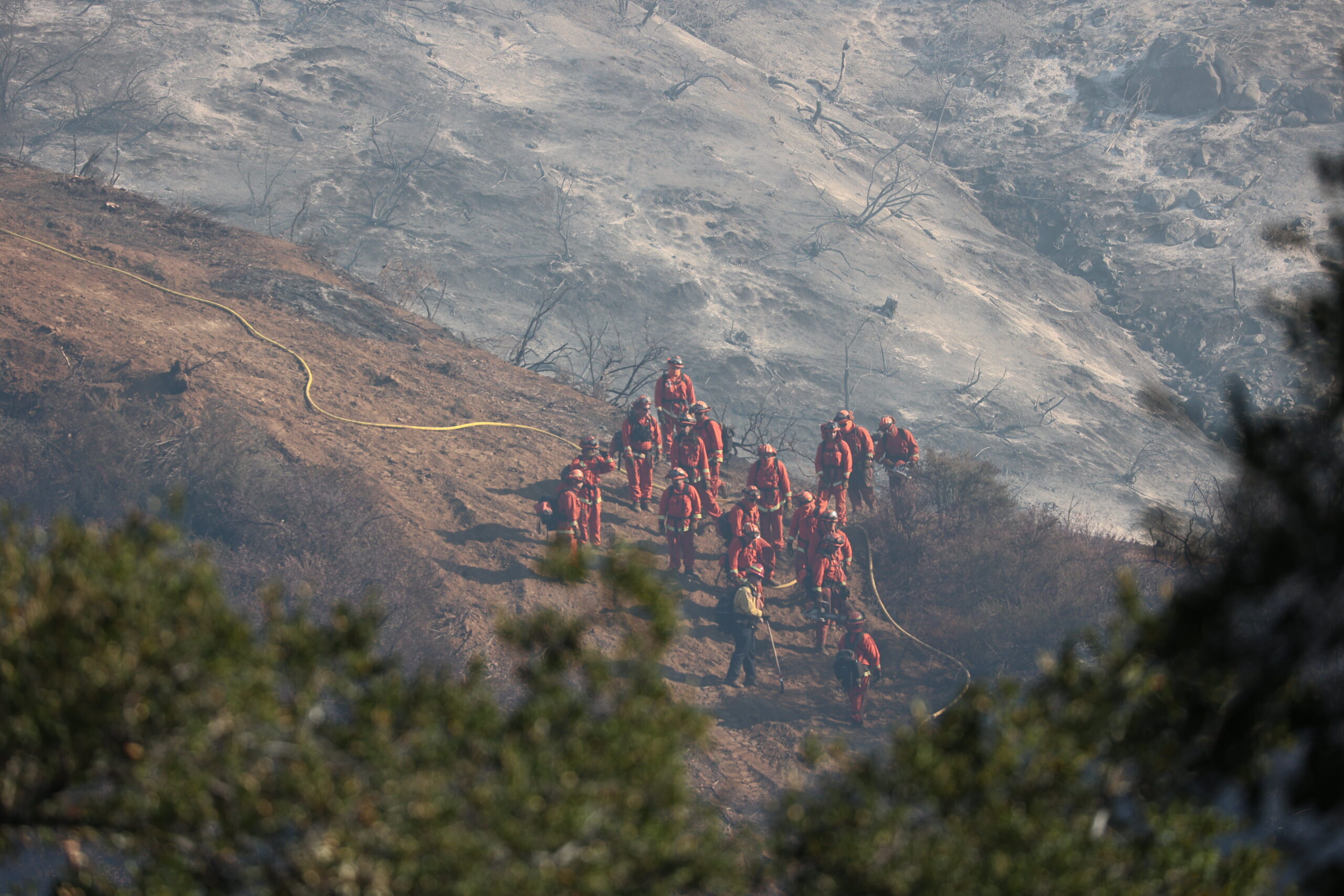
Palisades Fire, January 2025. Credit: Cal Fire/flickr

AGU News

AGU’s 2025 Journalism Awards are open!
Nominate a news or feature story about the Earth and space sciences, published in 2024, for our science journalism awards. The deadline is 31 March 2025 at 11:59 p.m. Email us at [email protected] with questions about submissions and eligibility. [media advisory][information for News and Features awards][SUBMIT HERE]

Research roundup: California wildfires 

These studies may be useful to those reporting on the California wildfires. 

  • California’s burned area increased fivefold from 1972 to 2018; in fall, wind and delayed rains are often to blame (Earth’s Future, 2019) 
  • Wind-driven fires’ annual burned area increased 140% between 1992-2020 (Earth’s Future, 2023) 
  • What weather conditions lead to wildfire in California? (JGR Atmospheres, 2022) 
  • Particulate exposure from wildfire smoke decreases health in California (GeoHealth, 2022)

Featured Research

Once-prime farmlands in Europe degraded by drought
More than half of historically highly productive agricultural land in central Europe has lost its prime status because of increasing drought conditions, a new study finds. Three previous periods with similarly poor agricultural conditions were associated with major societal downturns — and climate projections suggest poor conditions are on track to worsen. [Geophysical Research Letters study][see also: What will European climate look like in the future?] 

Living soil crusts could help trap dust-borne pathogens
Biological soil crusts are communities of lichens, fungi, bacteria, and other microorganisms that coat the soil’s surface in arid environments. These delicate “biocrusts” reduce dust kicked up from soil, which could lower the volume of disease-causing fungi and bacteria in the air, a new study finds. Biocrust conservation and restoration could help improve human health in arid environments. [GeoHealth study] 

Seasonal swings in sea level are getting wilder
Along the U.S. mid-Atlantic coast, sea level varies seasonally, with a maximum in September and a minimum in January. The September maximum nearly doubled between 1980 and 2020, and the amplitude of sea level changes increased by 65% over that period, a new study finds. The changes could exacerbate flooding. [Geophysical Research Letters study] 

Pluto’s dearth of craters suggests recent geologic activity
Planetary bodies with fewer craters generally have younger surfaces. A new analysis of Pluto’s surface, observed in detail by New Horizons, reveals that large swaths of Pluto’s surface is devoid of craters. These surfaces may be very young, therefore implying that there has been recent geologic activity on Pluto. [JGR Planets study] 

12/18/2024: Winter air turbulence on the rise over Europe

Climate change has increased air turbulence over Europe, particularly in the UK and northern Europe, a new GRL study finds. Hazardous clear-air turbulence contributed a significant portion of the increase. Credit: Randy Fath/unsplash

AGU News

AGU24 was a huge success! 

Thank you to everyone who joined the press corps at AGU24 in D.C. With nearly 400 journalists and press officers registered, the press rooms were bustling. The meeting had more than 30,000 attendees from 121 countries — making it the largest ever AGU Annual Meeting 

If you want to catch up, you can watch our press events on YouTube. 

We hope to see many of you next year in New Orleans for #AGU25! I 

Featured Research 

Climate change has increased air turbulence over Europe, especially in winter
Changes to atmospheric circulation have increased turbulence over Europe since 1979, a new study finds. Hazardous clear air turbulence increased the most. Turbulence grew the most over the UK and Northern Europe, with winter being the most turbulent season. [Geophysical Research Letters study] 

Forecasting Singapore Airlines’ bumpy ride in May would have been tricky
In May 2024, a Singapore Airlines flight encountered severe turbulence; one passenger died, and dozens were injured. A European forecast predicted turbulence in that general region 24 hours in advance, but pinpointing where turbulence will strike in time and space remains difficult, a new study finds. [Geophysical Research Letters study] 

Lake Superior ice cover sees wild swings
Ice cover on Lake Superior varies more year to year than previously thought, a new study finds. Record-high ice years can be followed by nearly ice-free winters, and understanding why is crucial for predicting future changes to this important freshwater body. [Earth and Space Science study] 

Cities in Asian megadeltas face massive flooding risks
Megadeltas in Asia, such as the Mekong and Ganges deltas, are home to half the world’s delta-dwelling populations. But they face massive flooding risks thanks to sea level rise and rapid development. This new review offers in-depth looks at what drives flooding in these densely populated regions and what humans can do about it. [Reviews of Geophysics study] 

China’s pilot programs for greener industrial regions reduce emissions
China emits the most greenhouse gases of any country. Industrial regions there are the country’s primary source of emissions. To reduce those emissions, several pilot programs for making industrial zones greener have been established, and early results suggest the programs successfully reduce emissions, a new study finds. [Earth’s Future study] 

What’s the future of cooperation in the Eastern Nile Basin?
Countries in the Eastern Nile Basin, including Egypt, Sudan, South Sudan, and Ethiopia, face challenges in managing water, energy and food due to rapid population growth, limited resources, and a changing climate. Any upstream decisions affect downstream populations. A new study explores the degree to which these countries’ food, water, and energy needs are connected, and how those might change in the future. [Earth’s Future study] 

7/3/2024: Canadian wildfire smoke sent itself to US East Coast

Dense smoke obscures tall buildings in a city, painting an eerie orange scene. A balcony is in the foreground.

Wildfire smoke from Canada choked the U.S. east coast in 2023. Credit: Wikimedia commons/Anthony Quintaro

Featured Research

Canadian wildfire smoke sent itself to US East Coast
Intense wildfires can “make their own weather,” resulting in unusual weather patterns. In 2023, wildfires in Canada shot smoke to the U.S. East Coast because aerosols in the smoke intensified a cyclone while helping it stand still. That stagnant cyclone then sent the smoke southward. [Geophysical Research Letters research]

Many houses — especially second homes — remain uninsured despite flood risk
More than two-thirds of properties at risk of flooding are uninsured, lowering their climate resiliency. Following a flood in a county, the rate of insurance adoption rises 7% within a year, but drops after that, a new study finds. Relying on households to close this “insurance gap” may not work, the authors suggest, especially where flood-exposed houses are not primary residences. [Earth’s Future research]

Glaciers in Peru, Bolivia fastest-shrinking in the Andes
Glaciers atop the Andes in South America are shrinking quickly, and new research finds those in the tropical Andes — in Peru and Bolivia — have lost the most mass and shrunk the most quickly since the Little Ice Age (1400 – 1850) of any Andean glaciers. [Geophysical Research Letters research]

Climate, cropland and population growth threaten orchids in China
China is home to more than 1,500 species of orchids, which can be highly vulnerable to climate change and anthropogenic influences. Of these, about 43% are threatened. Most threatened species are in southwestern, central, and northwestern China, with cropland expansion and increases in population density driving the threats, according to a new study. [JGR Biogeosciences research]

Ancient, buried swamps hint at “remarkable resilience” of Gulf coastlines
A 72,000 year old forest off Alabama’s coast was preserved thanks to “swamp power,” new research reveals. [Geochemistry, Geophysics, Geosystems research][LSU press release]

Fifty-three experts weigh in on the global methane budget
A survey of experts revealed that uncertainty in estimates of global methane levels stems largely from data on fresh water, vegetation, and coastal areas. [Eos research spotlight][Earth’s Future research]

###

Subscribe to TWFAGU and other AGU news

***
AGU (www.agu.org) is a global community supporting more than half a million advocates and professionals in Earth and space sciences. Through broad and inclusive partnerships, AGU aims to advance discovery and solution science that accelerate knowledge and create solutions that are ethical, unbiased and respectful of communities and their values. Our programs include serving as a scholarly publisher, convening virtual and in-person events and providing career support. We live our values in everything we do, such as our net zero energy renovated building in Washington, D.C. and our Ethics and Equity Center, which fosters a diverse and inclusive geoscience community to ensure responsible conduct.

6/26/2024: Space hurricanes in the Southern Hemisphere

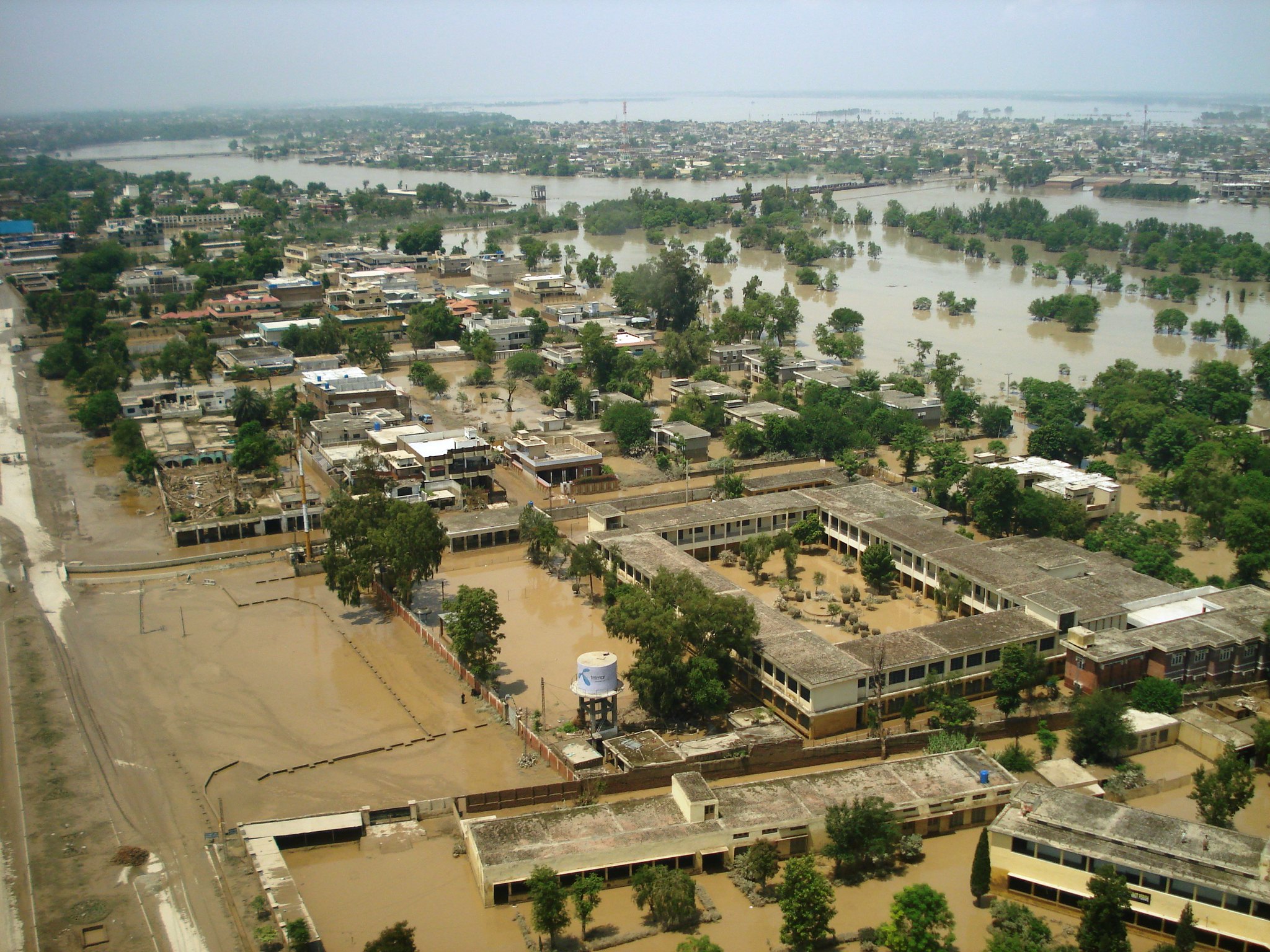
An atmospheric river led to catastrophic, deadly flooding in the Middle East in April 2023. “Rapids” in that atmospheric river were responsible for some of the highest precipitation rates, according to new research published in Geophysical Research Letters. Here we see flooding in Pakistan in 2010. Credit: UK DFID

AGU News

WaterSciCon is this week!
Press can register for free throughout the Water Science Conference, ending tomorrow, 27 June in Saint Paul, Minnesota. Recordings of scientific talks will be available for registered press. Interested reporters and press officers should email [email protected] with credentials. [press information][scientific program][media advisory]

Featured Research

Atmospheric river “rapids” contributed to 2023 flooding in Middle East
In April 2023, an intense atmospheric river delivered extreme precipitation that caused deadly flooding in the Middle East. “Rapids” delivering exceptionally high precipitation contributed to the catastrophe, a new study finds. [Geophysical Research Letters research]

Hundreds of space hurricanes hit Southern Hemisphere within a decade
“Space hurricanes” are a recently discovered type of space weather storm that occur in Earth’s ionosphere and magnetosphere, with massive swirling arms that resemble a regular hurricane. Previously identified in the Northern Hemisphere, a new study found more than 200 space hurricanes occurred in the Southern Hemisphere from 2005 to 2016. [JGR Space Physics research]

Unequal access to refuge during heat emergencies in Richmond, Va.
Urban heat islands exacerbate the warming effects of climate change in cities, and those effects disproportionately fall of historically underserved communities. In Richmond, Virginia, those communities lack adequate access to public refuge during heat emergencies, according to new research. [GeoHealth research]

Countrywide study reveals associations between built environment, mental health
While green spaces and mixed land use were associated with lower rates of depression, counties with greater air pollution typically had higher rates of depression. The strongest factors varied by region; for example, precipitation was relevant for the Northwest, while demographics were more relevant for the Southeast. [GeoHealth research]

AGU research: The latest on heat
More than 1,300 Hajj pilgrims died from heat, soaring temperatures seared the eastern United States—and summer has just begun. AGU journals have the latest in heat research. [stubborn, slow-moving heatwaves tied to El Nino][global assessment of heatwaves since 1850][Arba’een pilgrimage getting dangerously hot][what drives small versus big marine heatwaves?][carbon neutrality would curb marine heatwaves]

AGU research: The latest on floods
Extreme rain falling on saturated soils in the U.S. Midwest has rivers overflowing and flooding communities in three states, as an ongoing heat wave and high humidity put an additional 44 million under warnings. AGU journals report on climate’s double punch of heat and precipitation. [bigger, badder thunderstorms deliver heavy rain][changes coming for lakes, rivers and wetlands of north central US][crop productivity losses expected in US Midwest and world breadbaskets][climate change drives flooding around the world][historically disadvantaged people at greater risk of levee failure][scientists ask AI why extreme weather is rising in the Midwest]

6/19/2024: Carbon neutrality would freeze marine heatwaves in their tracks

Ol Doinyo Lengai volcano in Tanzania. Its summit has been sinking for at least a decade, new research finds. Such “deflation” could be indicative of higher risk of catastrophic collapse. Credit: Christoph Strässler/flickr

AGU News

WaterSciCon is next week!
Press can register for free throughout the Water Science Conference, from 24-27 June in Saint Paul, Minnesota. The program features the confluence of science, policy and community and sessions coupling research to applied workshops. Interested reporters and press officers should email [email protected] with credentials. [press information][scientific program][media advisory]

Featured Research

Achieving carbon neutrality would stop marine heatwaves in their tracks
Marine heatwaves can cause acute environmental damage and chip away at species’ ability to survive. They’ve become more frequent, widespread and severe. But achieving carbon neutrality would halt that growth, dramatically limiting the area of ocean exposed to “permanent” heatwave conditions, according to new research. [Earth’s Future research]

Summit of unique Tanzanian volcano is sinking
Ol Doinyo Lengai is an active volcano in Tanzania, neighbor to Mount Kilimanjaro. Its summit has been sinking for at least a decade, new satellite-based analysis reports. Summit subsidence or “deflation” can be an indicator of the risk of catastrophic caldera collapse. [Geophysical Research Letters research]

Almost all the water from Tonga eruption remains in stratosphere
Nearly all of the water that the 2022 Hunga Tonga eruption injected into the atmosphere was still in the stratosphere and mesosphere as of November 2023, a new study reports. The water vapor could impact temperature and ozone. [JGR Atmospheres research]

Urban heat islands speed up winds in city “canopy”
A city’s structures can slow down wind; with buildings and other structures, a city’s surface is rough. But the heat island effect can counteract that slowing. A new study models why that happens in the megacity Shanghai and finds heating can increase the wind speed in the urban “canopy” by about 30%. [Journal of Advances in Modeling Earth Systems research]

Expecting the unexpected could help us prepare for climate extremes
Too little consideration of high-impact, low-likelihood events has left us unprepared for the worst of climate change, scientists say in a new paper. [Earth’s Future commentary][Eos research spotlight]

6/12/2024: Louisiana’s 2023 “dire” water crisis: why it happened and could hit again

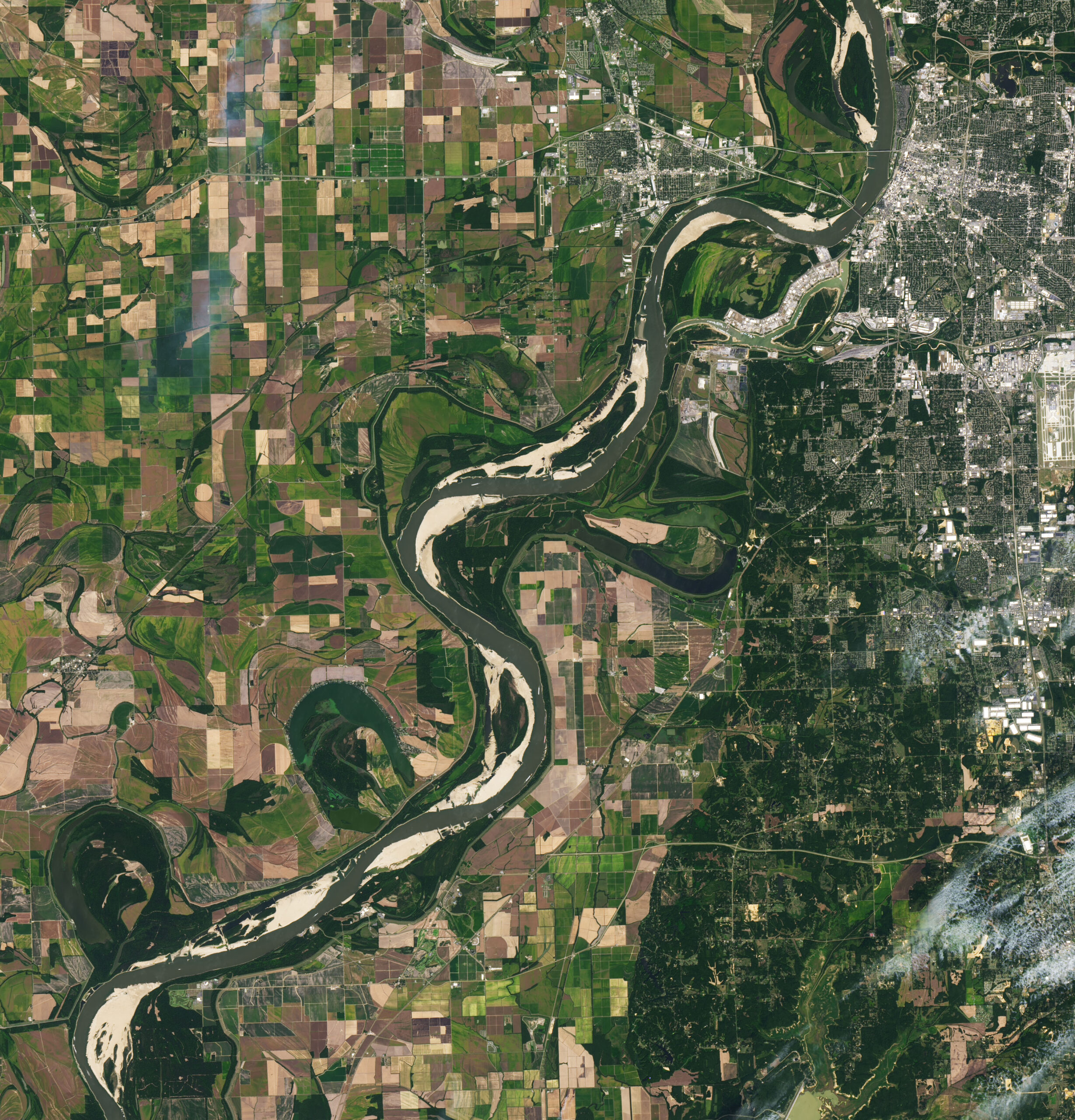
Low water levels in the Mississippi River in September 2023. Credit: NASA Earth Observatory

AGU News

WaterSciCon press registration open
Registration is open for the Water Science Conference, a collaboration of AGU and the Consortium of Universities for the Advancement of Hydrologic Science, Inc. (CUAHSI) convening 24-27 June in Saint Paul, Minnesota. The program features the confluence of science, policy and community and sessions coupling research to applied workshops. Interested reporters and press officers should email [email protected] with credentials. [press information][scientific program][media advisory]

Featured Research

Louisiana’s 2023 “dire” water crisis: why it happened and could hit again
In the summer and fall of 2023, Louisiana faced two water crises: a severe drought and such low water levels in the Mississippi River that saltwater began to creep up the channel, threatening already stressed drinking water supplies. High evaporation rates were mostly responsible for the conditions, a new study reveals, with low precipitation playing a secondary role. [LSU press release][Geophysical Research Letters research]

Top 20% of Shanxi coal mines emit half of region’s methane
The Shanxi province is China’s most prolific coal producer; coal mining is one of the world’s top methane sources. Coal producers in the region emitted 1.2 million tons of methane each year between 2021-2023, with about half of all emissions coming from just 20% of the facilities, a new study finds. The results challenge previous, lower estimates. [Geophysical Research Letters research]

Peat patches could expand, store more carbon as Arctic warms
Rapid warming in the Arctic is thawing permafrost, which can release vast volumes of carbon. But warmer temperatures may also prompt peat patches to grow, storing carbon as they do, a new study suggests. Peatlands growth might partially offset carbon release from permafrost thaw. [JGR Biogeosciences research]

Carbon storage in US cover crops less feasible than previously estimated
Cover crops are often pointed to as an important potential path for carbon storage. A new estimate of the potential for cover crops’ carbon storage in U.S. agricultural lands finds the “realistic” carbon storage is about a third of what was previously estimated,  [Earth’s Future research]

Planted windbreaks are crucial to erosion control in African deserts
Africa’s most arid landscapes are at risk of blowing away, and as more areas succumb to desertification, the erosion risk grows. Planting vegetated windbreaks is a crucial way to slow down winds and decrease erosion risk, a new study highlights. [Earth’s Future research]

6/5/2024: US West could see snow-free springs by 2100

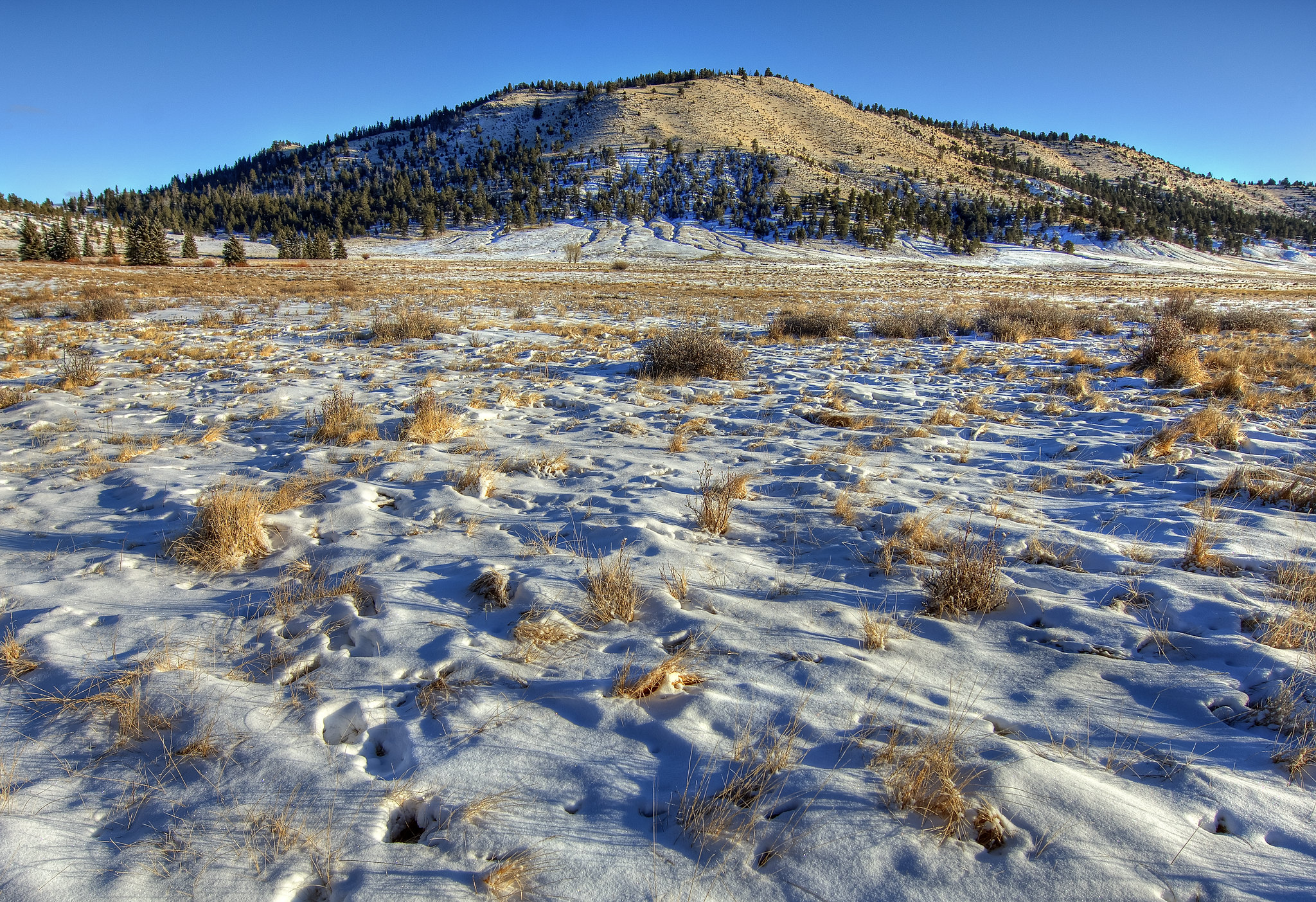
Under a high-emissions pathway, the US West could lose its springtime snow cover by 2100, according to a new JGR Atmospheres paper. Credit: knowsphotos/flickr

AGU News

WaterSciCon press registration open
Registration is open for the Water Science Conference, a collaboration of AGU and the Consortium of Universities for the Advancement of Hydrologic Science, Inc. (CUAHSI) convening 24-27 June in Saint Paul, Minnesota. The program features the confluence of science, policy and community and sessions coupling research to applied workshops. Interested reporters and press officers should email [email protected] with credentials. [press information][scientific program][media advisory]

Featured Research

The US West could see snow-free springs by 2100
“Snow droughts” occur when there is less snow on the ground than expected, leading to water shortages and heightened wildfire risk. Snow droughts in the West will worsen by five to nine times by 2100, primarily due to warmer temperatures, a new study finds. [JGR Atmospheres research]

Pikas create bare patches, warming permafrost in Tibetan Plateau
Pikas — the tiny, cute mammals often heard squeaking in alpine boulder fields — create bare patches of ground as they burrow. In shallow Tibetan soils with permafrost, that loss of vegetation led to a warming of 0.36 degrees Celsius. It’s a previously unexplored pathway for permafrost warming. [Geophysical Research Letters research]

Heatwaves during El Niño travel farther and more slowly
Heatwaves that occur under El Niño conditions tend to be more frequent, be more persistent, travel farther, and move more slowly than heatwaves under La Niña conditions, according to a new study that examined heatwaves from 1961 to 2020. The pattern held over all continents but was strongest in the tropics. [Geophysical Research Letters research]

More consistency in qualifying exams could help diversify geosciences
Scientists favor data-driven reasoning but administer graduate student qualifying exams, a critical milestone in a student’s career, with surprisingly little guiding data. Re-examining these exams may advance educational equity and quality. [AGU Advances research][Editor’s highlight]

Seals reveal new meltwater currents in Antarctic seas
By analyzing hydrographic information gathered by seals and an undersea glider, researchers found new meltwater currents, providing valuable insights into melt of the rapidly thinning West Antarctic Ice Sheet. [JGR Oceans research][Eos research spotlight]

###

5/29/2024: Oceans face growing triple threat of acid, heat and deoxygenation

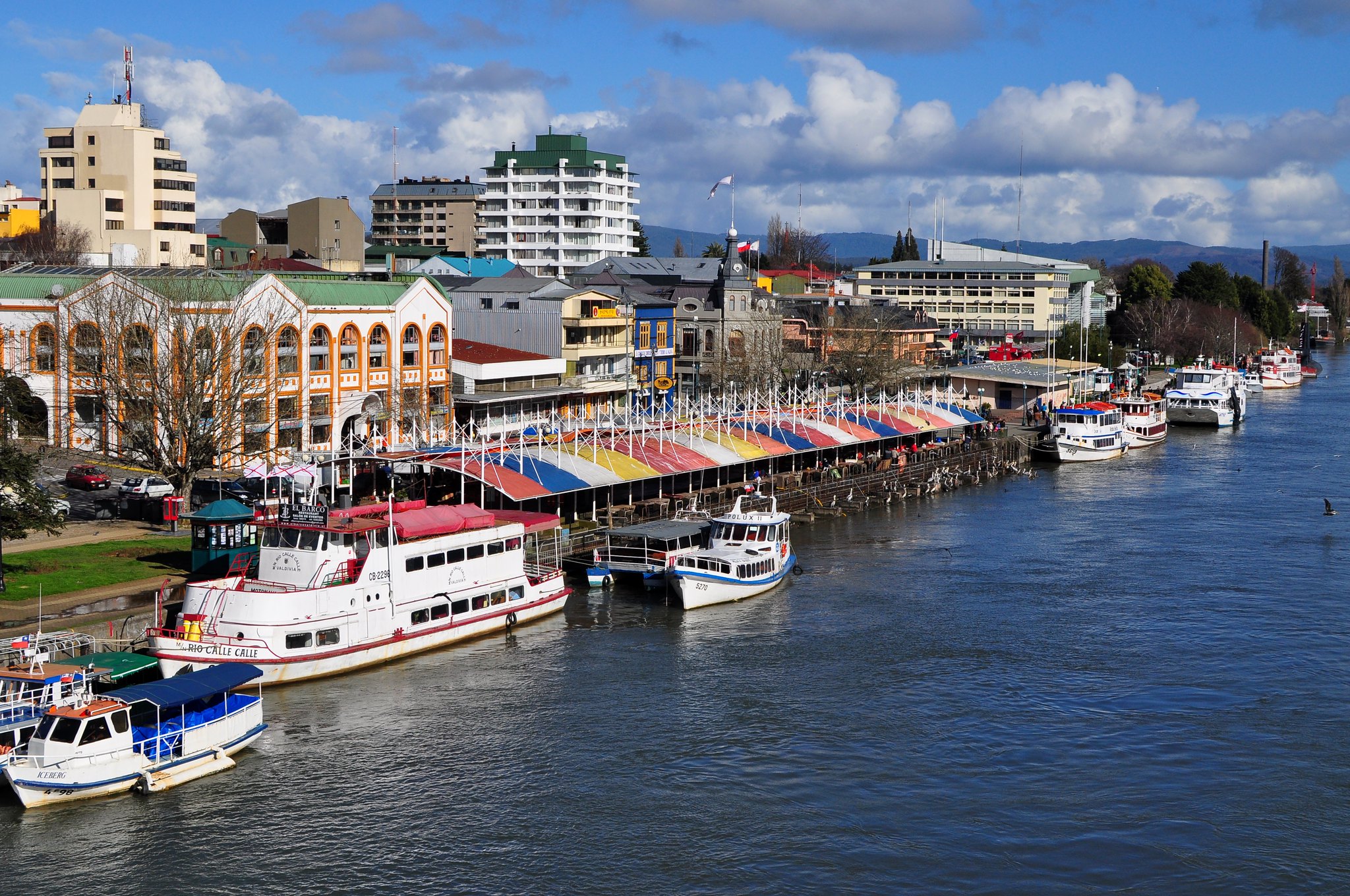
Valdivia, Chile. Credit: Nyall & Maryanne/flickr

AGU News

WaterSciCon press registration open
Registration is open for the Water Science Conference, a collaboration of AGU and the Consortium of Universities for the Advancement of Hydrologic Science, Inc. (CUAHSI) convening 24-27 June in Saint Paul, Minnesota. The program features the confluence of science, policy and community and sessions coupling research to applied workshops. Interested reporters and press officers should email [email protected] with credentials. [press information][scientific program][eligibility]

Featured Research

Acidity, heat, and deoxygenation pose triple threat to oceans
Ocean acidification, warming and deoxygenation events can damage ocean ecosystems and structures on their own. When all three hit at once, the impacts are amplified, reducing habitable space. About 20% of the world’s oceans — mostly in the North Pacific — are vulnerable to this triple threat. Triple-threat events have become larger, more intense, and longer-lived since the 1960s. [AGU Advances research]

Urban wetlands could help save this historic Chilean city from flooding
Valdivia, near the Chilean coast, is a city of wetlands; they cover nearly a quarter of its area. The spot was home to one of the Americas’ oldest cultures, which used the wetlands to flourish. Today, the city’s 166,000 inhabitants could lean on the wetlands once more — this time to alleviate flooding from climate change. But development threatens wetland loss. [Earth’s Future research]

Climate change cuts critical rice production in India’s Uttar Pradesh
India has the largest area of rice agriculture of any country, but hotter temperatures and shorter growing seasons will curb rice production by up to 20% by the end of the century in Uttar Pradesh, the most populous Indian state, a new study finds. Increases in rainfall may reduce the need for irrigation, but climate change will lower rice yields overall. [Earth’s Future research]

Jupiter’s magnetosphere has a semi-open relationship with the solar wind
Scientists have long debated whether Jupiter’s massive magnetosphere interacts with solar wind. Using data from NASA’s Juno mission, a new study models the magnetosphere with unprecedented accuracy and finds the answer is: sometimes. [Eos editor’s highlight][AGU Advances research]


AGU (www.agu.org) is a global community supporting more than half a million advocates and professionals in Earth and space sciences. Through broad and inclusive partnerships, AGU aims to advance discovery and solution science that accelerate knowledge and create solutions that are ethical, unbiased and respectful of communities and their values. Our programs include serving as a scholarly publisher, convening virtual and in-person events and providing career support. We live our values in everything we do, such as our net zero energy renovated building in Washington, D.C. and our Ethics and Equity Center, which fosters a diverse and inclusive geoscience community to ensure responsible conduct.


4/24/2024: Carbon neutrality would significantly curb climate inequality

AGU News

Register for Astrobiology Science Conference 2024. It’ll be out of this world!
Join us in Providence, Rhode Island from 5-10 May for #AbSciCon24, where the international astrobiology community will share new research investigating life’s potential, from Earth’s extreme environments and distant past to our solar system’s icy moons and exoplanets. To register, email [email protected] with your credentials. [media advisory][press credentialing requirements][AbSciCon24 scientific program]

Featured Research

Planet versus Plastics: an AGU Special Collection
Earth Day may have come and gone, but plastics are a year-long problem. This special collection showcases research on how to measure and monitor plastics as they move around the oceans and atmosphere. It also explores the myriad impacts plastics can have on human and environmental health. [browse the special collection]

Reaching carbon neutrality would significantly reduce climate inequality
Climate extremes, such as heatwaves, droughts and heavy precipitation, cause physical damage and decrease public health. Achieving carbon neutrality by the late 21st century, following an intermediate emissions pathway, could reduce the number of people exposed to extreme rainfall and heat by about 90%. Benefits would be particularly strong in Africa and Asia, which have large populations. [Earth’s Future research]

Climate change could stretch Atlantic hurricane season by a month
Warmer sea-surface temperatures in the springtime Atlantic paired with a La Nina in the autumn drive earlier starts and later ends, respectively, to the Atlantic hurricane season, a new study finds. Such conditions could lead to longer hurricane seasons, with a model estimating 27 to 41 days’ gain. [Geophysical Research Letters research]

Atmospheric rivers to dominate extreme precipitation in US Northeast
The densely populated northeastern United States has experienced the most rapid increase in the frequency of extreme rainfall within the country in recent decades, with both tropical cyclones and atmospheric rivers as major events. That trend is likely to continue, with atmospheric rivers taking over as the dominant cause of extreme rainfall events, a new study finds. [Earth’s Future research]

Health impacts of wildfire and prescribed burns along the West Coast
Three new studies examine smoke exposure and resulting health impacts in California, Oregon and Washington. Together, these present a view of how different smoke sources disproportionately impact various communities in the three states, which could help improve state-level fire and public health planning.

  • Schollaert et al. present the first analysis of smoke exposure from wildfire, prescribed burns and agricultural fires from 2014 to 2020 across the three states and found Native American communities had higher exposure to wildfire particulate matter in all three states. [GeoHealth research]
  • Looking at zip code-level health outcomes from smoke exposure, Do et al. found California communities with higher proportions of Black and Pacific Islander populations face poorer outcomes from fire-derived particulate matter exposure. [GeoHealth research]
  • And Rosenberg et al. explore how prescribed burns, while decreasing wildfire risk, could increase the health burden from low-level but frequent smoke exposures in California. [Earth’s Future research]

The world’s lakes aren’t healthy. Treat them like human patients, these scientists say.
Lakes can face a slew of issues — pollution, evaporation, invasions — that may become chronic, but it can be difficult to identify, frame and treat those problems because lakes are often interconnected and trans-boundary ecosystems. Using human health terminology and anthropomorphic thinking could help improve understanding and motivate action, scientists propose. [Earth’s Future research][Eos research spotlight]