12/04/2025: Water demand consistently overestimated in California

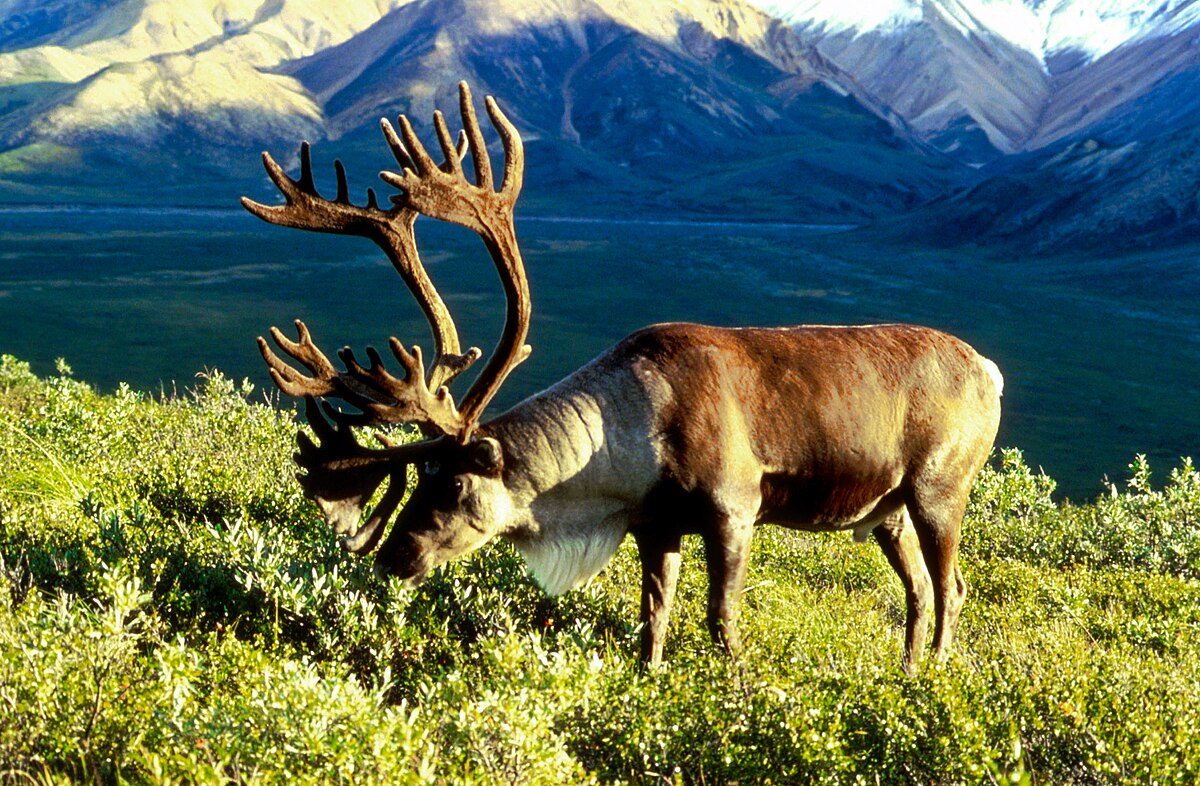
San Luis Dam in California, U.S.
Credit: Bureau of Reclamation

Featured Research 

Californian water suppliers consistently overestimate water demand
A study of 61 water suppliers in California found that projections of water demand from 2000 to 2020 consistently overestimated actual demand — by 25% for five-year projections and by 74% for 20-year projections, on average. Water demand per capita, which suppliers typically assumed to be stable or growing, dropped nearly 2% per year over the study period. Researchers attribute this to an increase in rebate programs and mandatory regulations for limiting outdoor water use. As climate change makes water conservation more uncertain, they write, water suppliers should improve forecasting methods to avoid needless infrastructure costs and support sustainable water management. [Water Resources Research study] 

Record heat coming to these three world regions
Experts expect climate change to bring more extreme humid heat to many parts of the world, enough to approach the limits of human tolerance in some places — yet regional-level humid heat events have received little attention from scientists and the media. Looking at record humid-heat days from 216 regions around the world, researchers used climate models to assess the odds of those records getting broken under today’s climate conditions. They identified the eastern United States, eastern China, and much of Australia as particularly likely to see humid heat more extreme than in recent decades, highlighting these regions as potentially underprepared. [AGU Advances study] 

Using 400 years of Chinese historical records to project epidemics
Comparing weather records from the Ming and Qing dynasties in China, researchers examined the role extreme weather like floods and droughts played in epidemics. They found the impact was regional with the largest correlation between drought specifically and large-scale epidemics gradually decreases from northern China down to southern China. Additionally, epidemics historically had at least 32 years between outbreaks. [GeoHealth study] 

Climate change makes combined cyclone-heatwaves worse for coastal China
As climate change progresses, tropical cyclones and heatwaves increasingly occur back-to-back, exacerbating the damage either event would have on its own. Climate model simulations indicate that in a future with continued high emissions of greenhouse gases, China’s densely populated southeastern coast will likely experience stronger, broader, more frequent, and longer-lasting tropical cyclone-heatwaves, with temperatures 2°C warmer than 1980-2010 summer conditions. Researchers call for improved early warning systems and urban heat mitigation efforts to protect vulnerable populations in the region. [JGR Atmospheres study] 

Climate variations in tropical oceans drive primarily extreme events
Severe droughts and floods are primarily driven by climate variations in tropical oceans, with interannual and decadal patterns playing key roles. [Eos editors’ highlight][AGU Advances study] 

Heatwaves increase home births in India
Heatwaves in India are associated with increased home births, with differential susceptibilities across regions and populations, threatening maternal and newborn health. [Eos editors’ highlight][GeoHealth study] 


11/26/2025: That water on Mars might not actually be liquid

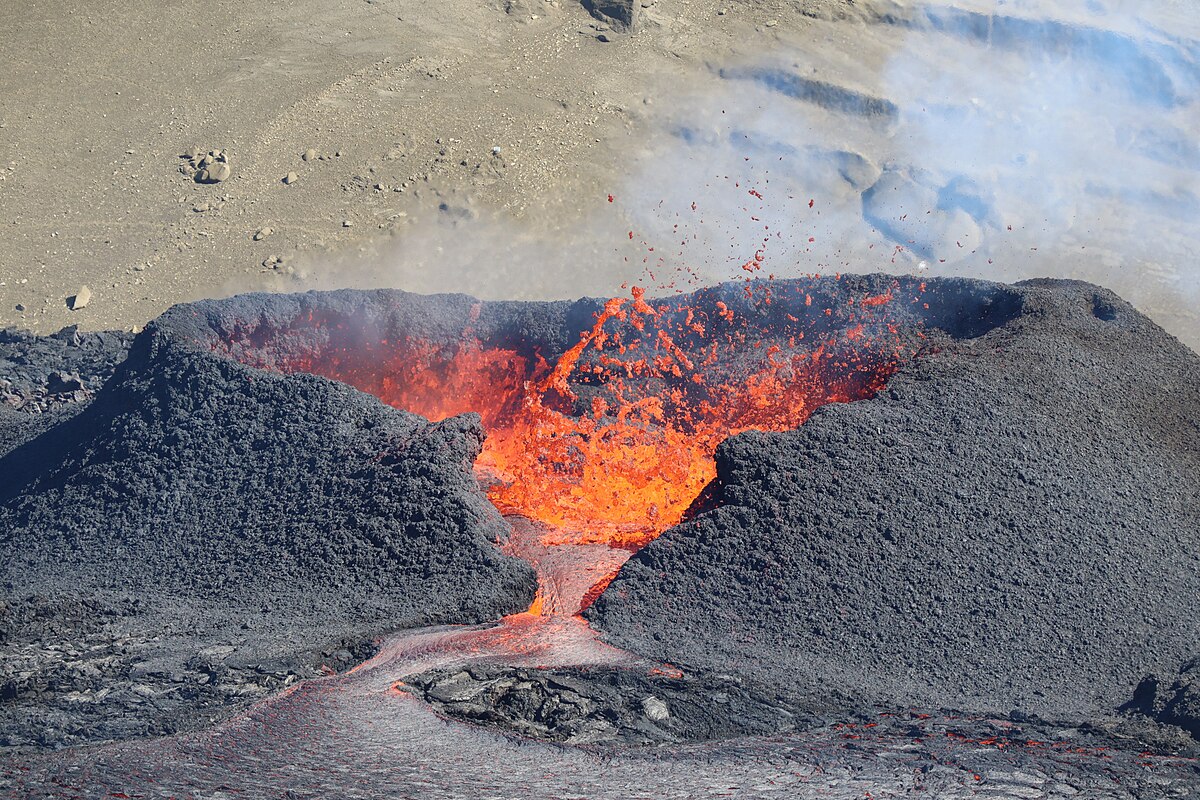
A photograph of a volcano shaped like an ant hill with rising walls, a basin filled with bubbling orange and red lava, and a valley formed in the middle of the photo where the lava is spilling from the volcano. Smoke rises from the lava and partially blocks a tan dirt hill in the background.

The Fagradalsfjall volcanic eruption in Iceland
Credit: Creative Commons/Yuo7si

AGU News 

AGU honors journalists Brooke Jarvis, Roland Pease and Jonathan Blackwell for excellence in science journalism
AGU recognizes Brooke Jarvis 2025 Walter Sullivan Award for Excellence in Science Writing – Features for “Our Very Strange Search for ‘Sea Level’” published in The New Yorker magazine on 19 August 2024. Roland Pease and Jonathan Blackwell share the 2025 David Perlman Award for Excellence in Science Writing – News for the radio story “An armada for asteroid Apophis?”, which aired on 26 April 2024 on the BBC World Service weekly radio program Science in Action. [announcement] [all 2025 AGU honors] 

Register for AGU25 in New Orleans 
Join 20,000 Earth and space scientists at AGU’s annual meeting in New Orleans, 15-19 December. Session recordings will be available to online attendees on demand. Registration is free for qualified journalists and media relations professionals. [press registration] 

Featured Research 

Bubble trouble: how bubbles move in magma
To have lava and a volcanic eruption, you must have bubbles! Like soda in a bottle, pressure (and bubbles) starts to build up in volcanoes before eruptions. A new study looks to answer how many bubbles form, where they start and how the bubbles move as an eruption occurs. The bubble model can help scientists better understand magma and volcanic eruptions. [JGR Solid Earth study] 

These spots in the Atlantic Ocean could ring alarm bells for the collapse of the AMOC
As the Atlantic Meridional Overturning Circulation slows, researchers are looking for key measurement points and locations that could provide early warning signs for the end of the current. A new model projected certain indicators, like salinity, around southern parts of the Atlantic Ocean will be the strongest early signals. The AMOC is currently being observed in three places, and the new study suggests data from SAMBA are most useful for predicting estimates for AMOC tipping times. [Geophysical Research Letters study] 

Maybe that’s not liquid water on Mars after all
A “very large roll” of a radar instrument offers new insight into a highly reflective area near the Martian south pole. Along the southern tip of Mars sits a polar ice cap, and recent radar scans found strong reflections that could hint at water underneath the ice. However, for liquid to exist under the ice a very salty brine or volcanic vents would be needed to keep the water warm. [Eos research spotlight][Geophysical Research Letters study] 

Key driver of extreme winds on Venus identified
A new study suggests that a once-daily atmospheric tidal cycle may be a bigger driver of rapid Venusian winds than previously thought. [Eos research spotlight][AGU Advances study] 

From mantle flow to river flow: shaping Earth’s surface from within
The convection of the Earth’s mantle shapes its surface, carving fault networks into the lithosphere that can guide the course of rivers. [Eos editors’ highlight][Geophysical Research Letters study] 

Rethinking engagement with frontline communities
A new perspective from community-based organizations explains how scientists, funders, and other supporters can collaborate ethically and effectively while respecting community identities and priorities. [Eos editors’ highlight][Community Science study] 

Avoiding and responding to peak groundwater
A new review shows how rising demand, shrinking supplies, and policy decisions together shape when groundwater use peaks and what can be done to avoid long-term depletion. [Eos editors’ highlight][Earth’s Future study] 


11/20/2025: Increasingly salty soil could damage crops

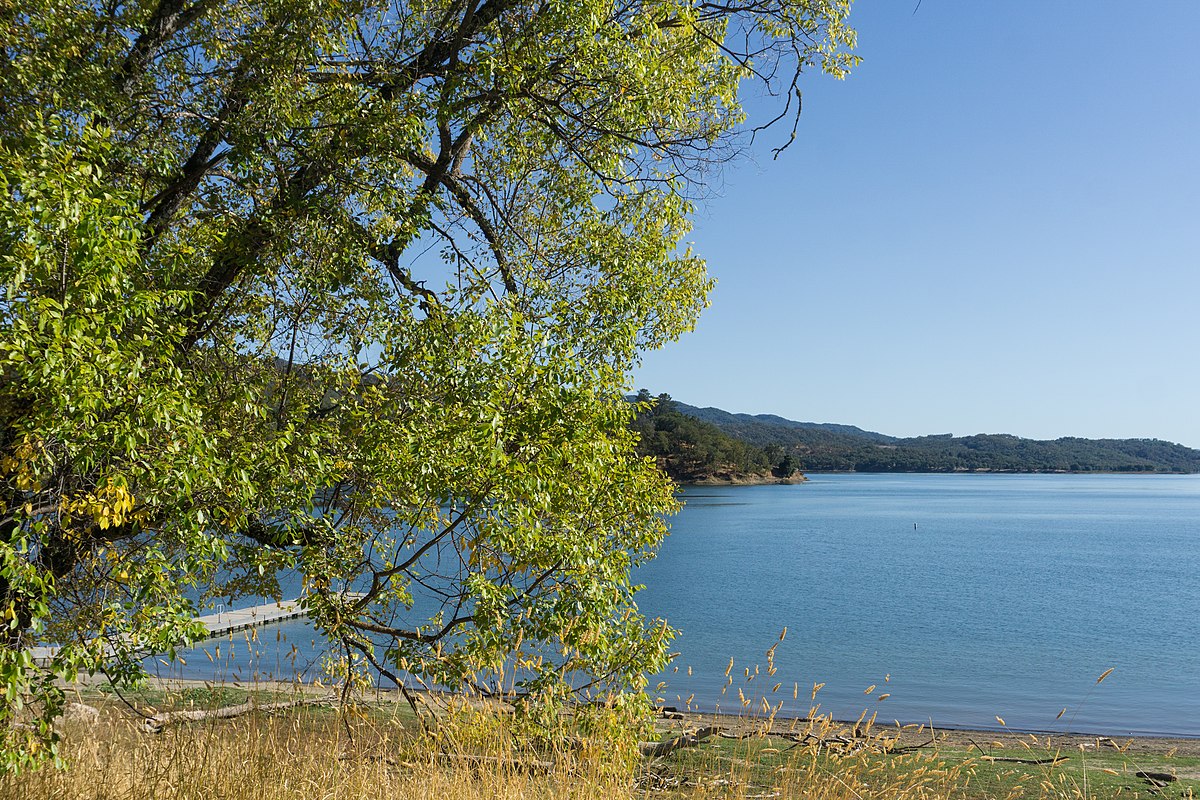
A photograph from the beachside of a lake. Half of the photo is of the open, clear blue sky and the bottom half is taken up by the blue lake. The left side of the picture has a large green tree covering over the lake.

The water reservoir at Lake Mendocino in California, United States, served as a case study for how water reservoir operators followed the rules, to the letter or by using previous experience to lead their decisions.
Credit: Alexey Komarov

Featured Research 

Adjusting for human bias when building water reservoirs
Preconceived ideas and previous experiences can change how water reservoir operators adapt to changes. A new study examined if operators were more likely to follow the rules to the letter or let past experiences help dictate their actions, whether consciously or subconsciously. They found that it was most likely that operators would let past events influence operations, which could lead to issues. In a case study from California, researchers found that years of drought led the operators to adjust to their usual water levels and left the reservoir at risk of flooding as a result. By knowing how operators may react to weather events, policies can be implemented to allow for these adjustments while planning to mitigate the potential unintended consequences. [Water Resources Research study] 

Storm systems can create clouds over a hemisphere away
Cirrus clouds are those light, wispy clouds made entirely of ice crystals. There are two types of cirrus clouds, anvil and situ, and it can be difficult for modeling to tell them apart. A new study separated the two clouds by investigating what caused the clouds to form. Anvil cirrus clouds form from storm systems in their own hemisphere. In contrast, powerful storm systems in one hemisphere can generate huge waves in the atmosphere that cause situ cirrus clouds to form in calm skies across the equator in the other hemisphere. This distinction can help future models better predict how global warming impacting storms patterns will affect weather even hemispheres away. [AGU Advances study] [Eos editors’ highlight] 

How algae helped some life outlast extinction
Cooler waters near Norway’s north provided a refuge for phytoplankton during the Great Dying around 252 million years ago when 81% of marine life died out. A new study found fossilized biomarkers that leave hints that something, most likely a type of phytoplankton, was alive in the cold waters around Svalbard after the Great Dying. These organisms likely fled volatile waters elsewhere as their biomarkers were largely absent before the extinction. [AGU Advances study][Eos research spotlight] 

Excessive ocean alkalinity enhancement could warp some phytoplanktons’ shells
Adding alkaline materials like limestone or basalt to the oceans could chemically increase their capacity to absorb planet-warming carbon dioxide from the atmosphere — yet how this strategy will impact marine life remains uncertain. Researchers in a lab tested how this process impacted coccolithophores, tiny shell-building plankton that absorb carbon and provide nutrients for other marine life. As the rate of carbon entering the water rose with alkalinity, they found the coccolithophores used the extra carbon to photosynthesize and grow faster. However, the faster they grew, the less time and carbon they had to properly build their shells, resulting in malformed shells. This may imply an upper limit on how much alkalinity enhancement is safe for marine ecosystems, the researchers write. [JGR Biogeosciences study] 

Croplands may face threat of saltier soils as climate change amplifies droughts
Besides reducing water available for crops, drought can also make soil saltier, as evaporating water leaves behind its salt content in the upper layers of soil where farmers grow their crops. Nearly 15% of the world’s soils have gotten significantly saltier from 1980 to 2018, researchers have found. The trend is closely linked to more severe soil droughts: droughts lasting over six months play a major role turning un-salty soils salty, as occurred in nearly 7% of the world’s dry regions in the past 39 years. Salinization lowers soil fertility, which hampers crop growth, and degrades soil structure, making soil restoration more difficult. [Geophysical Research Letters study] 

A new way for coastal planners to explore the costs of rising seas
A framework featuring a range of plausible future sea level rise scenarios could help coastal planners prepare critical infrastructure. [Earth’s Future study][Eos research spotlight] 

The invisible brake: near‑surface cooling stalls giant dyke swarms
Sill-based pressure reconstructions show Mull’s giant dykes had eruption-capable pressures, but near‑surface groundwater cooling increased magma viscosity and stalled lateral propagation. [JGR Solid Earth study][Eos editors’ highlight] 

Taking carbon science out of orbit
NASA’s Orbiting Carbon Observatory-2 satellite reveals an impressively dynamic picture of Earth’s carbon cycle, yet it may be prematurely decommissioned and destroyed due to budget cuts. [AGU Advances commentary][Eos editors’ highlight] 

10/23/2025: Glass beads capture secrets from far side of the Moon

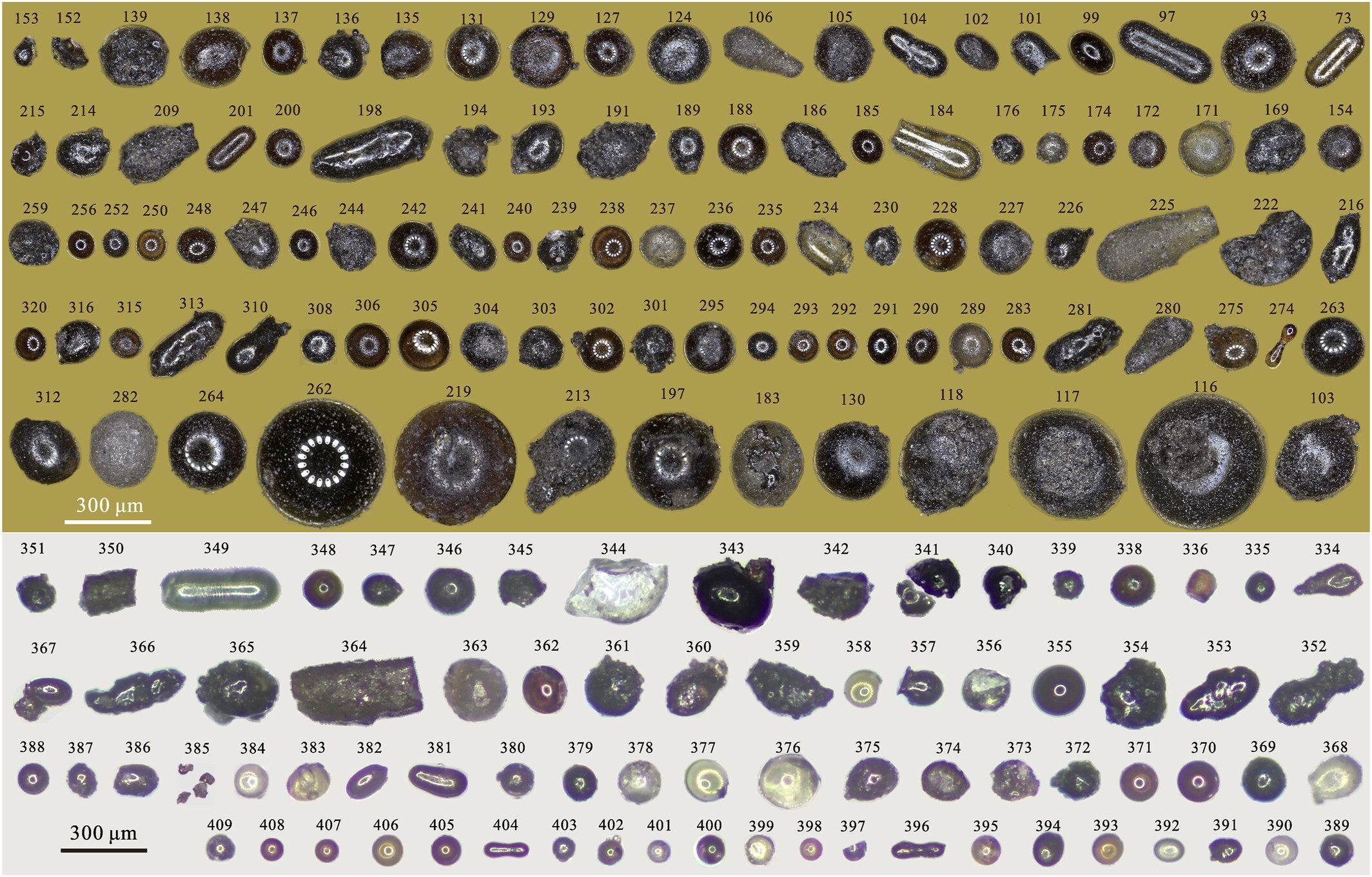
A down facing photograph of 100 Moon beads in various sizes, colors, and shapes. They resemble pearls in shades of gray, white, and silver with tear drop, circular, and oblong shapes.

Glass beads scooped up on the far side of the Moon during the Chang’e-6 mission.
Credit: Yan, Xiao, et al. JGR Planets https://doi.org/10.1029/2025JE008945

AGU News 

Register for Ocean Sciences Meeting in Glasgow, 22-27 February 2026
Staff, freelance and student journalists, press officers and institutional writers are eligible to apply for complimentary press registration. Book conference hotels early! [media advisory][OSM26 Press][eligibility guidelines] 

AGU joins COP30 Ocean Pavilion
AGU is teaming up with leading ocean science and stakeholder organizations to host the Ocean Pavilion at COP30 in Belém, Brazil, bringing ocean science insights, ethics, and community-driven solutions to the heart of global climate policy. Media are invited to cover key announcements, expert panels, and the launch of the Belém Ocean Declaration. [press release] 

Featured Research 

Asthma stemming from vehicle pollution disproportionately impacts children of color in California
California kids attending public schools in vulnerable areas — with higher populations of students of color, lower educational attainment and poverty — are exposed to more fine particulate pollution (PM2.5), mostly due to traffic. These schools were statistically closer to highways, where vehicle pollution was the highest. The study attributed 562 new cases of asthma per 100,000 schoolchildren to PM2.5 exposure in 2016. That’s equivalent to 34,537 new asthma cases in California. But socially vulnerable children were at higher risk and the racial disparity was the strongest, with 209 additional cases per 100,000. The highest rates of asthma attributable to fine particulate pollution was in the South Coast and San Joaquin Valley areas of California. [GeoHealth study] 

On the far side of the Moon, meteors left glass beads scattered across the ground
Colorful glass beads likely formed during meteor strikes were found on the far side of the Moon. The pearl-like beads give scientists insight into the speed and age of the impacts and the minerals of meteors. The miniature melted rock baubles are part of the returns from mission Chang’e-6 to collect loose gravel, sand, and any other sediment that collected on the ground of the more mysterious side of the Moon for the first time ever. The beads were older than those previously collected on the near side of the Moon and contained more exotic material that was adhered to the surface of the beads. [JGR Planets study] 

Health of Pakistan lakes dips and rises mainly following temperature and rain
Three lakes in the Islamabad region in Pakistan that provide drinking water for nearby cities have been altered by urbanization and climate change. A new study tracked the last 30 years of various health markers for the different lakes, including plant coloring and moisture levels. They found the lakes were highly dependent on the climate, shifting wildly depending on the temperature and the rainfall of the year. Understanding how the climate impacts these lakes can help for future planning as climate change leads to temperature increases and rain patterns alter from historical norms. [GeoHealth study] 

Chicago soil maps childhood lead exposure risk
Researchers combined soil measurements and public health data to identify areas where children may be exposed to unsafe levels of lead in the dirt. They found that around 27% of children city-wide were at risk for elevated levels of lead in their blood. Percentages rose in at risk communities to as high as 57%. [Eos Research spotlight][GeoHealth study] 

Tectonics and climate are shaping an Alaskan ecosystem
Biogeochemical research reveals the web of forces acting on a high-latitude microbe community in the Copper River Delta. [Eos Research spotlight][AGU Advances study] 

10/16/2025: The ocean could burp up all its heat

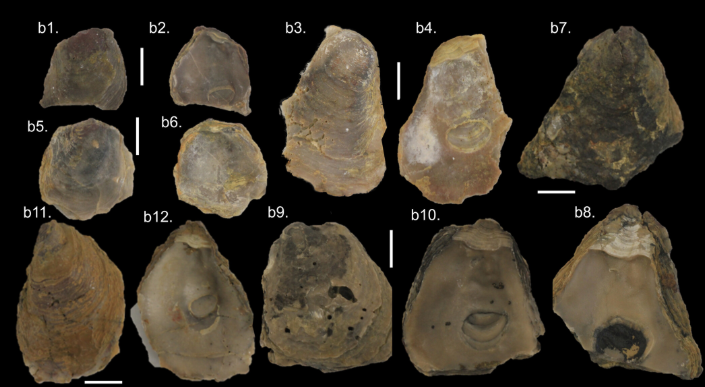
A photograph of an oyster shell that has been cut apart to show the rings and formations inside the shell indicating its growth pattern set to a black background.

Fossilized oyster shells collected in western India.
Credit: Mitra, de Winter, et al. Paleoceanography and Paleoclimatology https://doi.org/10.1029/2025PA005129

AGU News 

2026 Ocean Sciences Meeting will convene in Glasgow, Scotland, 22-27 February
Staff, freelance and student journalists, press officers and institutional writers are eligible to apply for complimentary press registration. Book conference hotels early! [media advisory][OSM26 Press][press eligibility guidelines] 

Featured Research 

Ocean will burp out accumulated heat in an ideal cooling world
The ocean absorbs both heat and carbon dioxide, buffering the effects of global warming. If, in the best of all possible worlds, future humans consistently remove more carbon dioxide from the atmosphere than they add, how would ocean buffering behave in reverse? A new study predicts that after several hundred years of cooling, the atmosphere would warm again for about a century at a rate comparable to our present warming as the deep Southern Ocean disgorged its store of heat. But, thanks to complicated sea water chemistry, these heat burps would not include much carbon dioxide. [AGU Advances study] 

Ancient oysters hint at a hotter past India
Fossil shells tell a story of conditions in the deep past. 40 million years ago, oyster shells recorded the temperatures and conditions that they grew in. Fossils found in India held a history of a much hotter landscape. Millions of years ago, the oysters recorded warmer months that averaged 34 degrees Celsius (93 degrees Fahrenheit) with only a few degrees difference in temperature throughout the different seasons. Compare that with modern day India which averages around 25 degrees (77 degrees), dipping into the single digits during winter. [Paleoceanography and Paleoclimatology study] 

Plants’ use of CO2 complicates estimates of global drying amid climate change
As human actions elevate the amount of CO2 in the atmosphere, growth of plants—which use the gas to photosynthesize—is also intensifying in what some experts have dubbed “global greening.” This, in addition to the warming effect of CO2 in the atmosphere, can dry out soils: plants draw water from the land and lose some of it to the air upon opening their pores to absorb CO2. At the same time, with more CO2 in the air, they don’t need to keep their pores open for as long. This means less water is lost than previously expected according to a new study. Researchers in China modeled how different conditions affected land drying from 1982 to 2014 and found that atmospheric CO2 offset about 69% of the global water loss that would have otherwise occurred from warming and greening–significantly more than traditional drought and aridity indices account for. The authors say the findings could help inform management of water resources as climate change continues. [Water Resources Research study] 

A step toward AI modeling of the whole Earth system
Coupling an AI-driven model of the atmosphere with a model of the ocean could help scientists create highly efficient emulations of the entire Earth system. [Eos research spotlight][JGR Machine Learning and Computation study] 

Magnetic “switchback” detected near Earth for first time
Until recently, this type of zigzag shape—formed by energetic rearrangement of magnetic field lines—had been seen only near the Sun. [Eos research spotlight][JGR Space Physics study] 

10/09/2025: Changes in rain could slow autumn colors

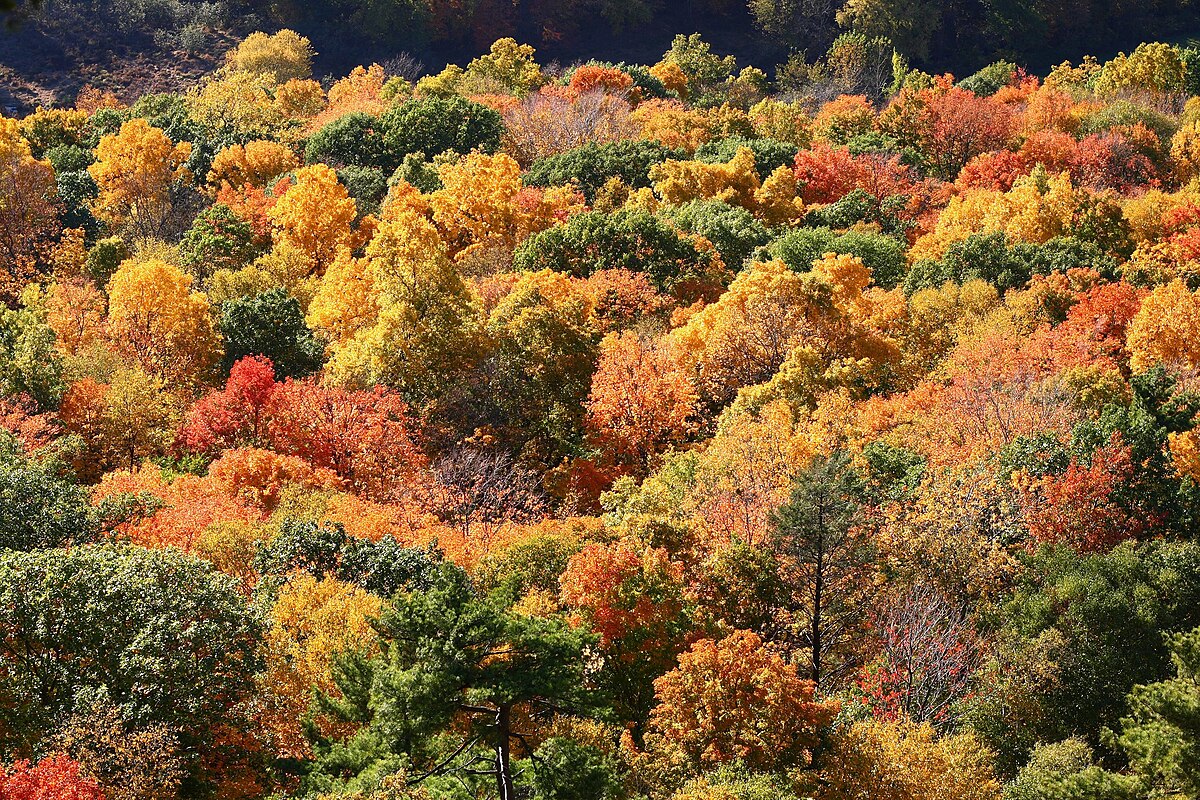
A wide photograph shot of the topside of a forest bursting with autumn colors in greens, yellows, oranges, and reds..

Autumn foliage Talcott Mountain State Park, Connecticut.
Credit: Ragesoss/WikiCommons

AGU News 

2026 Ocean Sciences Meeting will convene in Glasgow, Scotland, 22-27 February
Staff, freelance and student journalists, press officers and institutional writers are eligible to apply for complimentary press registration. Book conference hotels early! [media advisory][OSM26 Press][press eligibility guidelines] 

Featured Research 

Autumn colors could be delayed as climate change impacts rainfall
In the last 40 years, more rain falling in less frequent (but more extreme) storms/bursts has caused autumn leaves to change color and fall later in the season in the northern hemisphere’s upper latitudes. Warming temperatures during fall have previously been shown to delay autumn colors and leaf fall by up to two weeks, and changes in rainfall could compound those impacts. The delay may impact the season’s beauty, but it can also affect the fertilization of the soil, protection for plants and animals and could impact the tree’s regrowth the next year. [Geophysical Research Letters study] 

Meteotsunamis pose an unknown risk as sea levels rise and weather patterns change
Meteorological tsunamis, or meteotsunamis are tsunami-like ocean waves that have long been known around the world under various names by communities that have faced these threats for centuries. When amplified by shallow waters along coasts, they can cause severe flooding, damage and death. A new review discussed available research on these mysterious tsunamis including the current alert systems in place, theories on how the storms form, and looked for gaps in information for potential future investigations. Currently, modeling meteotsunamis is difficult, and it leaves scientists unable to fully predict changes or possible events, like how climate change may impact them. Additionally, the researchers wrote about wanting to see more long-term, early warning systems for high-risk communities. [Reviews of Geophysics study] 

Global water models systematically underestimate drought
To predict drought, scientists often rely on computer simulations of how water systems on land react to different climatic and environmental conditions. But in a new study examining how well these global water models simulated historical droughts, researchers found they frequently underestimated the actual amount of water in snowpack, rivers, lakes, canopies, aquifers, and other land-based water sources as measured by satellites. One reason, the researchers wrote, is that many models don’t sufficiently factor in the impact of human actions like irrigation and groundwater extraction. Fixing this could improve models’ ability to accurately predict future droughts as well as historical ones, helping us manage water resources more effectively as droughts in many parts of the world grow more frequent and severe with climate change. [Geophysical Research Letters study] 

Converging eddies create forever chemical hotspot, putting sea life at risk
More than any other force, ocean currents determine how PFAS — long-lasting, human-made compounds nicknamed “forever chemicals” — move around the globe. In a new study, researchers took water samples from two ocean eddies swirling in opposite directions in the western North Pacific Subtropical Gyre. At the boundary between them, the team found a PFAS hotspot with concentrations two to seven times higher than in surrounding waters at the same depth. This could put marine life at risk: convergences between eddies can also concentrate plankton, in which PFAS can accumulate, and nutrients, which attract marine life. [ JGR Oceans study] 

Satellite scans can estimate urban emissions
As more cities strive to meet climate goals, space-based observations may help fill in the gaps on tracking emissions. [Eos research spotlight][AGU Advances study] 

09/25/2025: How penguin poop plays the role of plants in Antarctic lakes

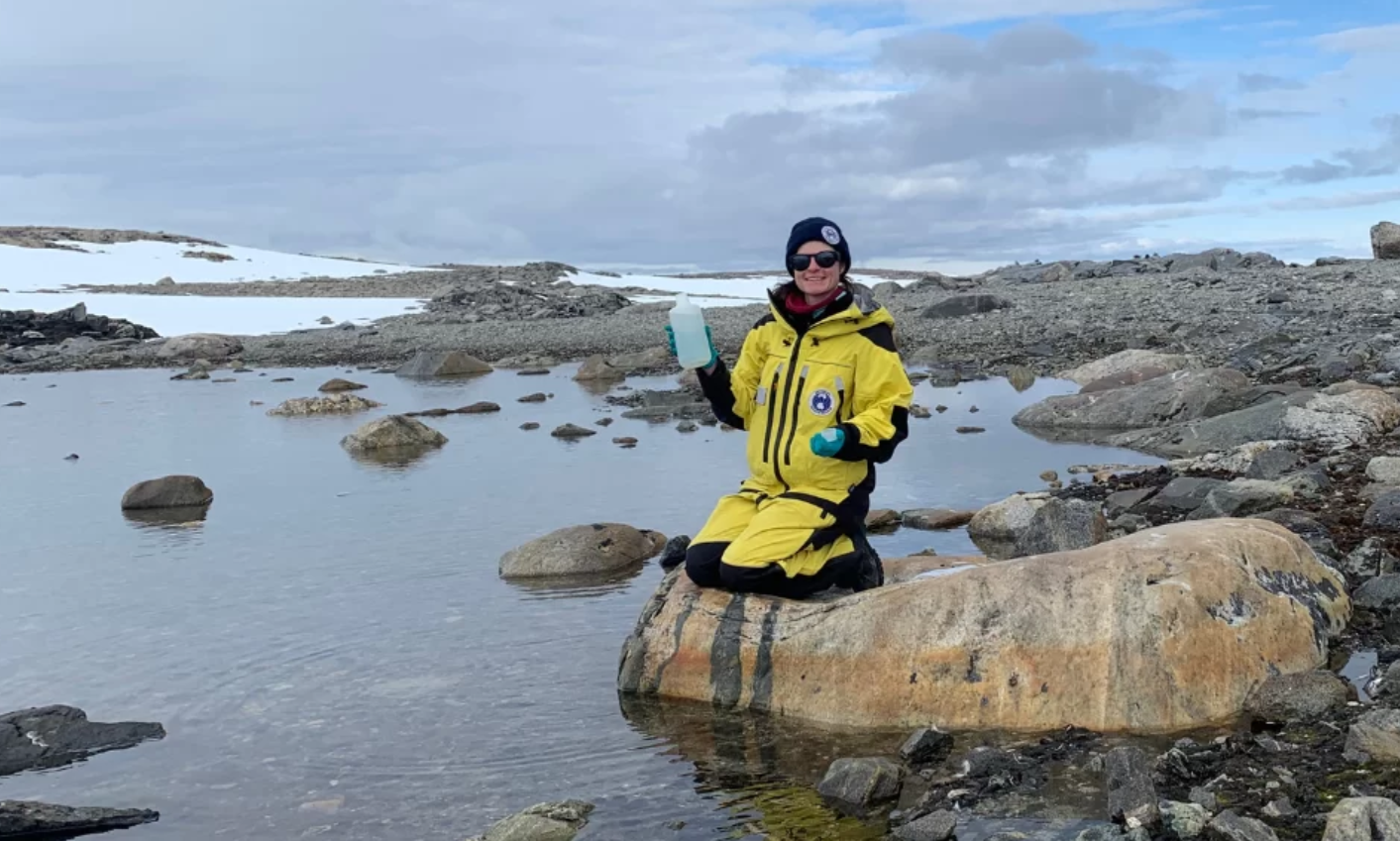
A woman in a yellow snow suit sitting on a rock alongside a gray lake in Antarctica. She is holding a sample of lake water in a bottle in her hand.

Dr. Krystal Randall collecting lake water samples in Antarctica to determine what organic material exists in the lakes.
Credit: Krystal Randall

AGU News 

U.S. Climate Collection collaboration launches
AGU and the American Meteorological Society are accepting proposals for a joint special collection of research articles called the U.S. Climate Collection: Informing Assessment of Risks and Solutions. Forged in the wake of the dismissal of the Sixth National Climate Assessment (NCA) authors, the collection serves to lay the groundwork for future assessments of climate risks and solutions in the United States while keeping scientists across disciplines engaged on critical topics. [press release][collection]

Featured Research 

Penguin poop, dust and moss drive carbon cycling in Antarctic lakes
Researchers collected water from five lakes in East Antarctica to determine what in the lakes helps move the carbon cycle along. This work is typically done by organic materials and the microbes that digest them that are found in warmer lakes. For many lakes, plants are the big contributors through things like fallen leaves. But Antarctica doesn’t have many plants. Instead, organic matter in lakes was primarily dust from snowmelt and penguin poo. The organic material was then transformed mostly by sunlight, from the high UV rays present when the hole in the ozone is over Antarctica. The colder temperatures slowed down the microbes that would typically move forward the carbon cycle in warmer lakes. [JGR Biogeosciences study][SAEF press release] 

Lake floors help track salmon populations over a century
Scientists ran experiments on several freshwater lakes off the North Pacific coast of the U.S. and Canada that serve as salmon nursery lakes, including Frazer, Red and Kinaskan lakes. They took core samples from the lakebed to plot a history of salmon spawning and populations over the course of the century using left behind biological markers that settled at the bottoms of the lakes. Frazer Lake was a unique study because salmon were only introduced to the lake in 1951 during a stocking program, leaving scientists with distinct markers for exactly when the lake changed. [JGR Biogeosciences study] 

Hydropower dams: flood protection or hazard?
About a quarter of hydropower dams measured likely induced flooding downstream. Researchers found multiple common trends with those dams, including experiencing more rain and an increase in rain per year, the rivers were oftentimes shorter, and the area around the dams saw smaller increases in population. That smaller urbanization could mean the dams may be taken care of less, leading to less water storage inside the dams due to sediment buildup. On the other end, around 40% of dams likely protected against flooding downstream. The protective dams were often in locations with more temperate weather and longer downstream areas for flood waters to filter into. [Earth’s Future study] 

Droughts sync up as the climate changes
A new study reconstructs roughly 800 years of streamflow history in India’s major rivers, showing an increase in synchronous drought linked to human-cause climate change. [Eos research spotlight][AGU Advances study] 

Are there metal volcanoes on asteroids?
Upcoming NASA observations may reveal whether ferrovolcanism shaped 16 Psyche’s metallic surface and hidden interior. [Eos editors’ highlight][JGR Planets study] 


09/18/2025: The world’s smelliest flower may lose its funk

Photograph of the corpse flower, or Titan arum. It is a large flower with a deep purple flower as it's base surrounding it like a carpet. It has a large soft yellow stalk that points triangularly out of the middle of the purple base. A green cup-shaped based makes the bottom of the flower.

Titan Arum bloom at Paignton Zoo
Credit: Gina Franchi/WikiCommons

AGU News 

AGU prevails in case for probationary federal employees
In a blistering decision last Friday, a federal judge ruled that the Trump Administration and the Office of Personnel Management acted illegally when it fired tens of thousands of probationary federal employees at NOAA, NSF, and other agencies “for cause” in February. AGU joined a coalition of plaintiffs in March to defend the federal scientific workforce against these actions. [press release] 

Save the dates for upcoming science conferences 

Featured Research 

Stink, stank, stunk: how the corpse flowers may lose their pungency
The corpse flower, or the Titan arum, is known for the incredible rotting meat smell it produces when it blooms. The female bloom of the corpse flower releases methanethiol, a stinky gas that forms as things rot, at a rate comparable to the air over landfills. The male bloom is not as strong, and researchers discovered it relies on the female bloom’s stronger smell to attract the bugs before trapping them in the bloom to hold until the male blooms later in the day. However, if air pollution continues to worsen, scientists found the stink of the corpse flowers will lessen and may not be enough to attract bugs to pollinate. [Geophysical Research Letters study][The Conversation author commentary] 

The AVENGERS initiative aims to uncover how Venus and Earth’s histories divided
For upcoming missions to Venus, researchers are setting their sights on possible extinct volcanoes and lava flows. The AVENGERS international initiative will explore if Venus was once similar to Earth, and what may have caused the second planet from the sun to develop its thick carbon dioxide atmosphere. They hope these research sites will help with understanding how rocky planets evolved and if Venus is still geologically active. [JGR Planets review] 

Extreme heat in U.S. cities revealed at high resolution
Data from personal weather stations power a novel way to detect urban heat islands. [Eos research spotlight][GeoHealth study] 

When is a climate model “good enough”?
Models will always have bugs. How do scientists decide which ones are most important and how many is too many? [Eos research spotlight][Earth’s Future study] 

New perspectives on energy sinks during seismic events
Laboratory earthquakes shed new light on energy partitioning during earthquakes, which is allocated to seismic radiation, creation of new surfaces, and heat dissipation. [Eos editors’ highlights][AGU Advances study] 

Gravity with an “edge”: what lies beneath Aristarchus Crater
A method combining three different approaches to the processing and analysis of GRAIL data from the Moon defines areas of sharply contrasting densities beneath Aristarchus Crater. [Eos editors’ highlights][Earth and Space Science study] 

09/11/2025: An area the size of Belgium is sinking in the Middle East

A photograph of a town on the side of a sandy mountain. Small, sandy brown, square building dot the bottom of the picture. Bright green trees line the bottom on the picture.

Kasf, Iran in Bardaskan County, the county with the fastest sinking landscape due to water removal from nearby aquifers.
Credit: Torshiz khorasan/WikiCommons

AGU News 

Register for AGU’s 2025 Annual Meeting in New Orleans
Press registration is open for AGU25 in New Orleans, Louisiana, and online 15 to 19 December 2025 at the New Orleans Ernest N. Morial Convention Center. Staff, freelance, and student journalists are eligible to apply for complimentary press registration through the end of the conference. Press officers and institutional writers covering the meeting are also eligible. [AGU25 Press Center] [eligibility requirements] [media advisory] 

Featured Research 

Iranian ground sinking at nearly a foot per year
In Iran, over half of available water comes from underground aquifers. Previous research found that continuous pulling from the aquifers has led to the ground sinking more than 10mm per year. New research found that in Bardaskan in northern Iran, the area sinking grew 40% from 2008 and is sinking very quickly at nearly a foot (300mm) per year. Scientists point to drought as a reason behind the sinking, as more water is removed from the aquifer than is returned. [JGR Solid Earth study 

Exactly how much water can we take from the ground?
Peak Groundwater is a concept that there is a maximum amount of groundwater that can be removed from aquifers before it can replenish its reserves. Understanding where that limit is can help communities optimize water use without causing impacts. Researchers reviewed the literature around Peak Groundwater and found that societal priorities and management of their water sources determine how well the aquifers replenish. Through practices like 4D monitoring and simulation models, groundwater managers can keep a close eye on their supplies and reduce risk of overconsumption. [Earth’s Future review] 

Sluggish tectonics plates on early Earth moved the north and south poles
The location of the north and south poles on Earth’s surface wander, moving around thanks to redistribution of mass within or at the surface of the planet. A new study finds that the poles likely moved around on ancient Earth a lot more often compared to current day during a period of “sluggish lid tectonics” before Earth’s modern plate tectonics was established. [JGR Solid Earth study] 

Radar surveys reveal permafrost recovery after wildfires
Boreal-permafrost systems are still resilient against wildfires, but continuous and long-term monitoring is needed to control the impact of climate change. [Eos editors’ highlight][AGU Advances study] 

Strong tides speed melting of Antarctic ice shelves
Ocean currents along the underside of the ice are a major control over melting. [Eos research spotlight][JGR Oceans study] 

09/04/2025: Extinct mud volcanoes on Mars could have preserved proof of life

Black and white photo of the surface of Mars. It depicts three mounds of light gray with indents in the middle of each. They are spread out in a triangle formation.

Cone shaped mounds were found around the northern hemisphere of Mars. Scientists believe these mounds are extinct mud volcanoes that could have spewed mud onto the surface that researchers can now use to study material from deep underground. The volcanoes may have been habitable to microbes, like microbial life found in mud volcanoes on Earth.
Credit: NASA/JPL-Caltech/University of Arizona

AGU News 

Register for Ocean Sciences Meeting in Glasgow, 22-27 February 2026
Staff, freelance and student journalists, press officers and institutional writers are eligible to apply for complimentary press registration. Book conference hotels early! [media advisory][OSM26 Press][eligibility guidelines] 

Featured Research 

Martian mud volcanoes may have provided a habitable home for microbes
In the northern lowlands of Mars, there is evidence an ancient ocean once covered half of Mar’s northern hemisphere over 4 billion years ago. Along the perimeter are large cones that used to be flowing mud volcanoes. A new study discusses the possibility of a mud reservoir that existed under the volcanoes some 500-1800 meters underground. The volcanoes would spew mud into the air, throwing potential evidence onto the surface that may not have been accessible without drilling into Mars. The mud could have existed up to temperatures of 20 degrees Celsius supporting the presence of water and containing favorable conditions for microbial life. [JGR Planets study]  

Will your street flood during flash flooding?
Flood predictions usually cover general areas, and can underestimate flood hazards, according to the researchers behind a new method, which provides street-by-street flood predictions using rainwater levels, storm patterns and historical data to look at flooding risks. The new maps are designed to help communities better plan for potential flash floods and show how floods would affect buildings and people on the ground. The mapping was applied to a city in China but could be adjusted for other cities in the future. [Water Research Resources study] 

Creation and destruction of 12 young volcanic islands gives insight into the loss of rocky coasts
Volcanic islands can erode quickly, sometimes fast enough that researchers can watch them disappear back into the ocean in real time. This gives them a good research opportunity to see the process of erosion on non-volcanic rocky coasts, which erode at a slower rate. Researchers observed 12 historic volcanic islands and found erosion happens in waves. Quick initial erosion as the ocean erodes softer materials. The erosion then slows because only harder materials are left behind. The erosion creates large overhang cliffs that reinvigorate the coast when the overhangs break and crash down onto the coast. The type of rock the islands are made of determines how quickly the islands will erode. [JGR Earth Surface study] 

As simple as possible: the importance of idealized climate models
As models that simulate Earth’s climate system become increasingly complex, the use of simpler and more flexible idealized models remains important for science and education. [Eos Editors’ highlights][AGU Advances commentary