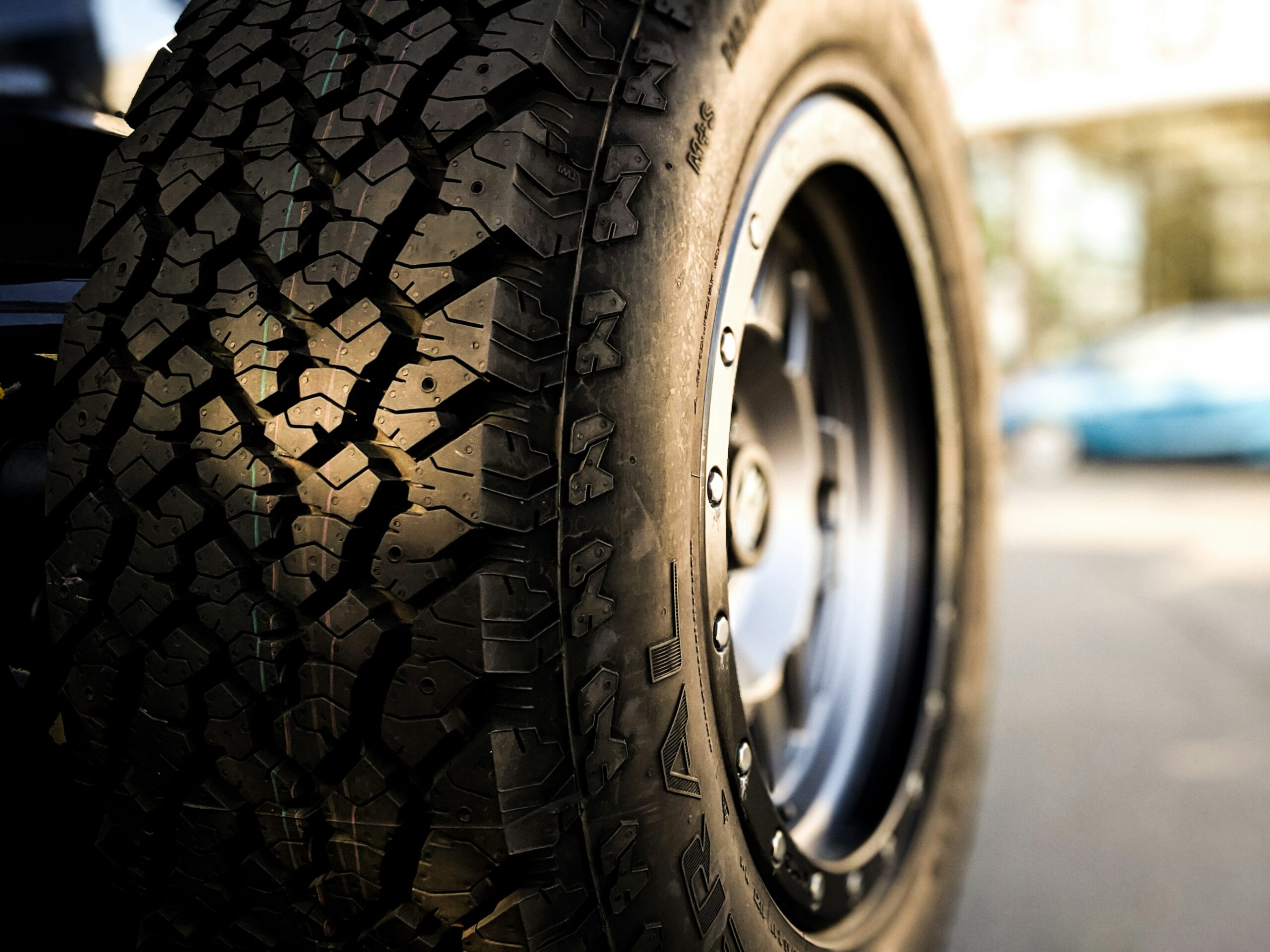
The tiny specks of rubber that flake off from rolling car tires end up as the most abundant microplastic floating in the atmosphere, potentially altering cloud formation. Credit: Obi on Unsplash
Featured Research
Rubber bits from your car tires could be shaping the clouds
The most common microplastics floating in the atmosphere come from car tires, which shed tiny bits of rubber as they roll around. Water in clouds condenses around those rubber particles and freezes into ice crystals. Researchers found tire particles instigate condensation better than other common microplastics by one to two orders of magnitude: even after the scientists blasted them with intense heat and light like they might experience on hot road surfaces, the rubber bits still outshone the competition. This phenomenon could play a surprisingly strong role in how clouds form, the team wrote, especially in bustling cities and as the number of vehicles rises worldwide. [Geophysical Research Letters study]
Western US wind power to remain viable, even as climate change weakens winds
Wind power potential across the U.S. Mountain West may fall by an average of 8.8% from 1980 levels by 2099, new model analyses project, with losses of 12% in northern Nevada and southeastern Wyoming and greater seasonal declines in winter than in summer. Even so, wind power in most high-elevation windy regions will likely remain comfortably economically viable, largely thanks to how mountain topography itself helps sustain wind patterns. The researchers hope their detailed wind maps will help inform strategic wind farm planning as climate change progresses. [Earth’s Future study]
- See also: Terrestrial Stilling Projected to Continue in the Northern Hemisphere Mid-Latitudes [Earth’s Future study]
US heat-related hospitalizations could double by 2040
Across the 53 largest metro areas of the contiguous U.S., hospitalizations due to heat-related illness could more than double from 2012 levels by 2040, reaching 217,000 to 237,000 per year depending on future greenhouse gas emissions. Associated healthcare costs would also more than double, topping $1 billion per year. The findings, based on model simulations accounting for health risk factors and various climate and demographic projections, also indicate geographical differences: the West, South, and Southwest may rank at the top for the most total heat-related illness cases each year, but regions less infrastructurally prepared for heat such as the Northeast and the Ohio Valley may suffer more cases per extreme heat event. [GeoHealth study]
Long droughts associated with upticks in US firearm suicides
New research comparing mortality and weather data identified a 9.4% spike in U.S. firearm suicides during severe droughts lasting over 12 months between 2000 and 2018. Firearm suicide risk peaked at 10.9% above non-drought conditions during the worsening half of exceptionally bad droughts. When rainfall drops below normal levels for a year or more, people face not only dry soils and dusty air but also devastating economic and emotional impacts. Though the study didn’t establish a causal relationship between drought and suicide, the link is strong enough that the researchers suggest including mental health support in future drought response to reduce impact on the most at-risk groups, including older people and residents of rural communities. [GeoHealth study]
Bioenergy crops an economic and environmental win-win on steep Midwestern slopes
Growing two perennial bioenergy crops, Miscanthus and switchgrass, instead of corn on the sloping farmlands of the upper Mississippi River Basin could bring both economic and environmental benefits, according to a study that simulated such a swap in the period from 1984 to 2018. The substitution curtailed the runoff of certain types of nitrogen and phosphorous by 93% on average, with the greatest effect on slopes over 4% — an important outcome for water quality, since that nutrient runoff winds up in waterways. On net, it also raked in a potential $24.2 billion over the simulation period, due to both biofuel production and pollution-control cost savings. [Earth’s Future study]